Both WIC and SNAP are programs dedicated to helping families live healthier lives, but do you know the differences between them? Learn more about the different resources that WIC and SNAP have to offer and how to use those benefits to best support your family’s needs!
The United States Department of Agriculture (USDA) has multiple programs that support American families, including the Special Supplemental Nutrition Program for Women, Infants, and Children (WIC) and the Supplemental Nutrition Assistance Program (SNAP). Both WIC and SNAP are federal nutrition programs that help families afford food, but they serve different purposes and operate in different ways. Understanding the differences can help support your family’s unique nutritional needs!
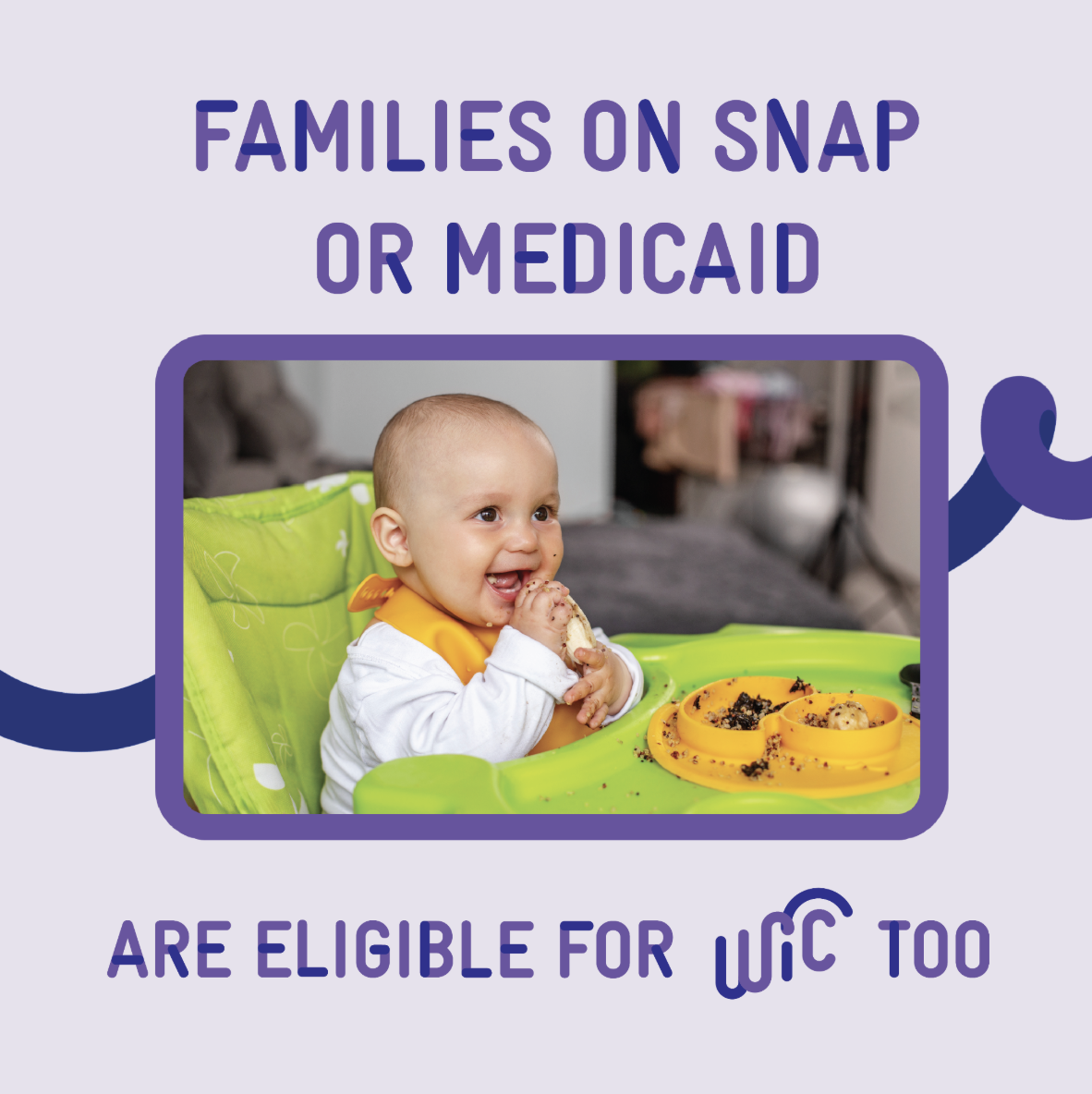
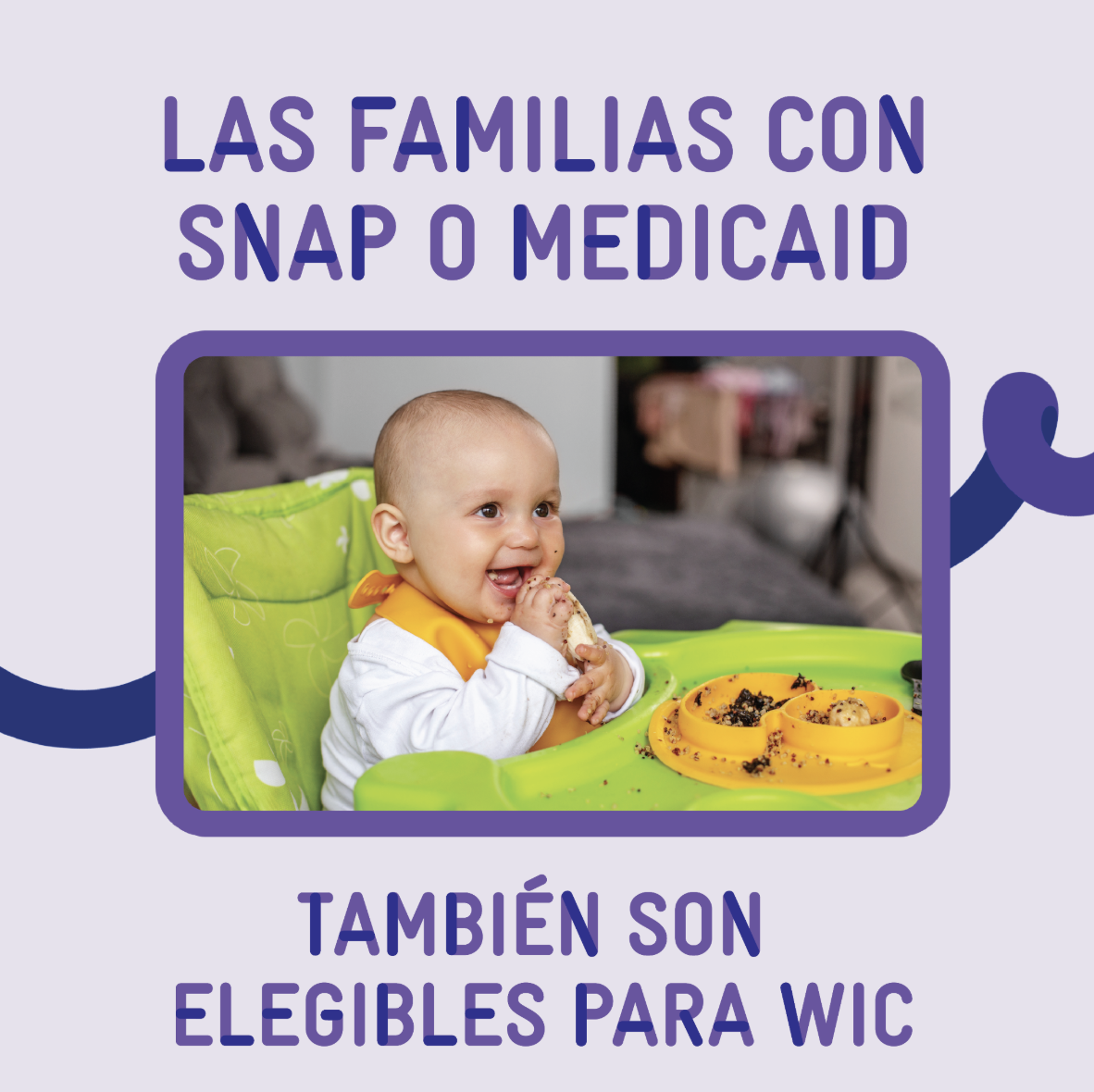
Being connected to one program can also make it easier for your family to get additional support through adjunctive eligibility. Adjunctive eligibility means that if you already participate in SNAP (and/or Medicaid and TANF), you are automatically deemed income-eligible for WIC benefits as well. We’ll share more about how you can get connected with both programs, but let’s dive deeper into the differences between them to get started!
What are the key differences between WIC and SNAP?
Who Is Eligible
WIC offers nutrition support for income-eligible and nutritionally at-risk babies, children up to 5 years old, and those who are pregnant, postpartum, or breastfeeding. In addition to food benefits, WIC provides other services like breastfeeding support and supplies, nutrition education, referrals, and additional fresh food benefits through the Farmers Market Nutrition Program (FMNP) in participating states.
SNAP offers help with food access for all eligible low-income households. Federal guidance sets SNAP eligibility, and accessibility differs by state. General requirements include meeting net and gross income limits, work documentation requirements, and immigration requirements. Depending on where you live, you may also be eligible for SNAP produce incentives, such as Double Up Food Bucks.
How It’s Funded
Congress sets funding each year for WIC. Funding can vary based on food costs, how many eligible families are expected to use program benefits, and other factors. For approximately the last 30 years, Congress has provided sufficient funding to serve all eligible families seeking WIC services.
Congress provides ongoing funding for SNAP that automatically adjusts based on the number of people who qualify.
What It Provides
WIC provides a food package that is tailored to specific life stages; nutrition education; support for infant feeding, including breastfeeding support and infant formula; health screenings and referrals to healthcare and other social services. The WIC food package includes a variety of approved foods that families can get at grocery stores or participating farmers’ markets using an EBT or eWIC card, digital app, or vouchers.
SNAP provides monthly food benefits to help stretch their food budget. Families access these benefits with EBT cards they can use to buy groceries in participating grocery stores.
What You Can Buy
The foods you can purchase with WIC benefits are focused on specific nutrients needed during pregnancy, breastfeeding, infancy, and early childhood. This includes foods like milk and yogurt or dairy alternatives, whole grains, infant foods and formula, eggs, legumes, fruits, vegetables, and more.
SNAP benefits can be used for most grocery items except foods at hot bars in grocery stores. It can’t be used to buy alcohol, tobacco products, or non-food items. Recently, some states have put in place additional restrictions for certain foods and beverages in SNAP. You can find out which foods are on the SNAP food restriction list by visiting the USDA waiver tracker or by checking in with your State’s SNAP agency or website!
Learn More and Get Support
There is one important similarity between these two programs: WIC and SNAP are here to support your family’s unique needs and provide resources to help your family thrive!
Reminder: If you are eligible for SNAP, you are automatically income eligible for WIC!
Both of these programs ensure that children get a healthier start with the nutrition they need to grow and thrive. Parents can provide healthy food for their families during tough times and can get additional benefits like breastfeeding support or healthcare referrals. This helps our communities stay healthier and stronger, together.
Check with your local WIC or SNAP offices for updates in your area. Visit signupwic.com to learn about healthy foods, nutrition education, breastfeeding support, and to find a clinic near you. Share this information with family or friends who may be interested in getting started with WIC or SNAP!
Want to download or print our WIC vs SNAP fact sheet for your family or community? Get the fact sheet in English, Spanish, Pashto, and Arabic!
Author
Mariah Cowsert
Mariah Cowsert is a Senior Communications Associate at the National WIC Association. She has 9 years of experience in public health communications, with her work ranging from direct social service and affordable housing organizations in DC and her home state of Michigan to supporting sexual and reproductive health education initiatives at a national nonprofit in Baltimore. As someone who grew up in a low-income household in rural Michigan, she knows firsthand that when families have access to quality, healthy foods regardless of their income or zip code, they can not only survive but thrive.