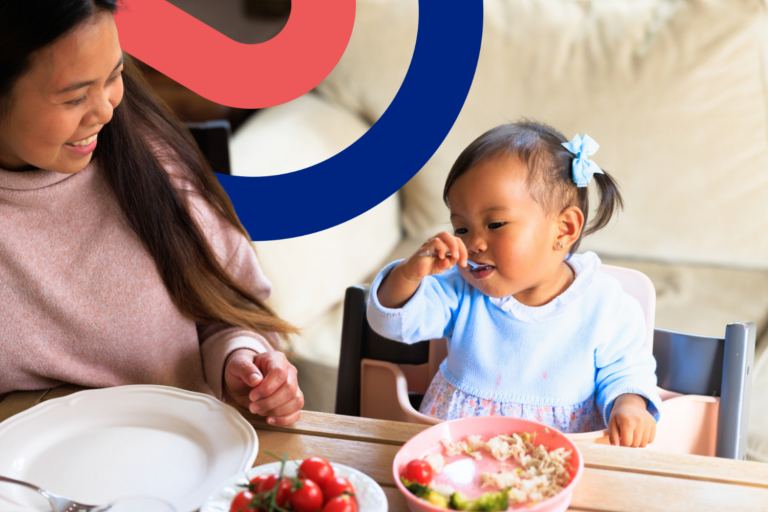
WIC 101: Food Benefits and Nutrition Education
Post topics
Hear from a local WIC team member and a registered dietitian nutritionist at the National WIC Association about how WIC can support your family’s personal nutrition needs!
Learn MoreWIC is dedicated to supporting your family with resources like healthy foods and nutrition education. Learn more about WIC and other federal nutrition or community programs that your family may be eligible for!
For more than 40 years, the National WIC Association (NWA) has worked to strengthen WIC and support WIC staff and the families they serve. NWA provides advocacy, training, education, and resources for WIC staff, helping advance the WIC program and its benefits. NWA is the nonprofit voice of the 12,000 public health nutrition service provider agencies that serve over 6.9 million mothers, babies, and young children served by WIC. NWA provides education, guidance, and support to WIC staff and drives innovation and advocacy to strengthen WIC as we work toward a nation of healthier families.
WIC is a federal nutrition program, supporting families across the United States. Nutritional programs are focused on increasing food security and reducing hunger by providing nutrition support like food benefits and nutrition education for low-income families and children. These initiatives improve health outcomes throughout the nation. WIC, SNAP, Farmer’s Market Nutrition Programs, and school assistance programs all work to ensure that children and families have access to affordable, healthy foods.
We know that getting additional support for your family can be scary, but WIC is here to help you every step of the way. Connect with your local WIC agency to find out what programs can help you support your family, visit https://signupwic.com/find-a-clinic!
The Special Supplemental Nutrition Program for Women, Infants, and Children (WIC) is an assistance program providing free healthy foods, nutrition education, breastfeeding support, and healthcare referrals. WIC assists low-income mothers who are pregnant, postpartum, or breastfeeding, infants, and children up to age 5 who may face nutritional challenges. WIC participants are eligible by having income at or below 185% of the U.S. Poverty Income Guidelines or by being enrolled in TANF, SNAP, or Medicaid.
Want to learn more about WIC? This video highlights the history of the program and how WIC has helped families for over 50 years.

The Supplemental Nutrition Assistance Program (SNAP) is a federal nutrition program that provides monthly funds for participants to access food. Eligibility is determined by several factors, including household income and size. Income eligibility varies by state, but typically, households eligible for SNAP have $3,000 dollars or less in countable assets. SNAP benefits are issued through an Electronic Benefits Transfer (EBT) card, which can be used to purchase food items at grocery stores or through grocery delivery programs like Instacart (in participating areas). The SNAP program is the largest nutritional assistance program in the U.S., with around 41 million individuals enrolled in the program annually.
Double Up Food Bucks is a program for eligible SNAP participants to receive more fresh fruits and vegetables! Double Up Food Bucks will match your SNAP benefits to help you bring home more fruits and vegetables for your family. For every dollar you spend with your SNAP benefits, you receive one dollar in Double Up Food Bucks! SNAP participants are automatically eligible for Double Up Food Bucks at eligible locations. This program is now available in more than 25 states! See if your state is participating and find a location near you!
WIC and SNAP are both federal programs that set out to help low-income families improve their health by providing access to nutritious foods. However, the programs differ slightly, with the biggest difference being who can access benefits. SNAP is for all eligible, low-income households, where WIC is designed for low-income infants, babies, children (up to 5 years old), and those who are pregnant, postpartum, or breastfeeding. Both programs are funded by Congress, with key differences in how that funding is determined. WIC funding is set by Congress on a yearly basis, whereas SNAP funding is provided on an ongoing basis, which is reflected by the number of program participants. Both programs supply families with free access to groceries on a monthly basis, but WIC provides additional benefits through nutrition education, breastfeeding support and supplies, and health screenings and referrals. WIC and SNAP are both essential programs that millions of families rely on for healthy foods.
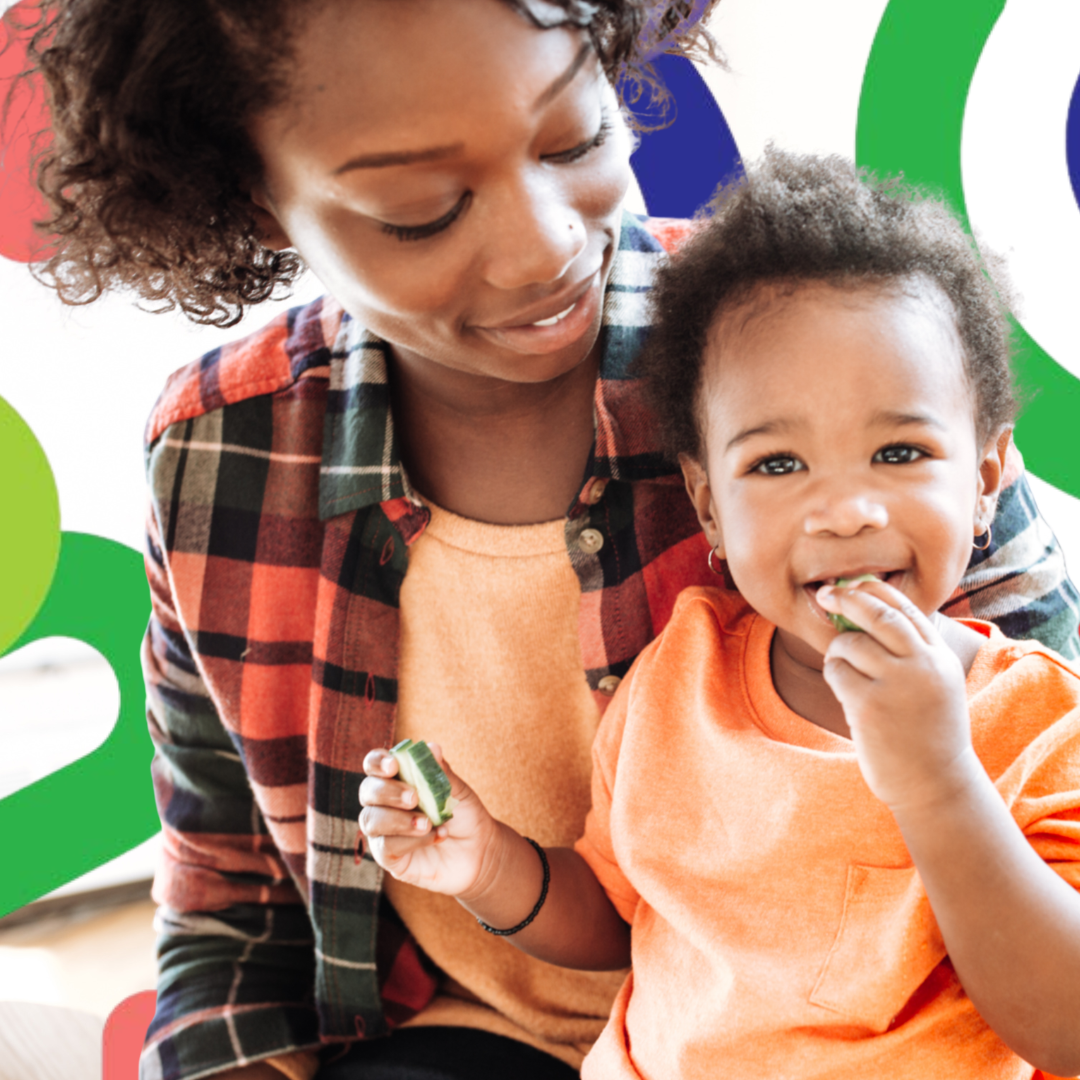
The WIC Farmer’s Market Nutrition Program (FMNP) provides families with coupons or vouchers for farmers’ market benefits in addition to regular WIC food benefits. In some areas, families can also use their fruit and vegetable benefits (Cash Value Benefits) to purchase fresh produce at markets. Since 1992, the FMNP has encouraged families to access locally grown produce and support local farmers and farm stands. Every year, WIC families receive about $10-30 in FMNP benefits. Contact your Local WIC Agency to learn more about local farmers’ markets and to see if your state participates in FMNP!
“This year, on top of having the farmers' market benefits, we tried to start our own garden at home, and [my kids] were in love with it. They just loved it. They were definitely more open to trying vegetables because they were growing out of their garden, and it was all produce that was local. So, it definitely made them more interested in wanting to eat veggies for sure.”
— WIC participant
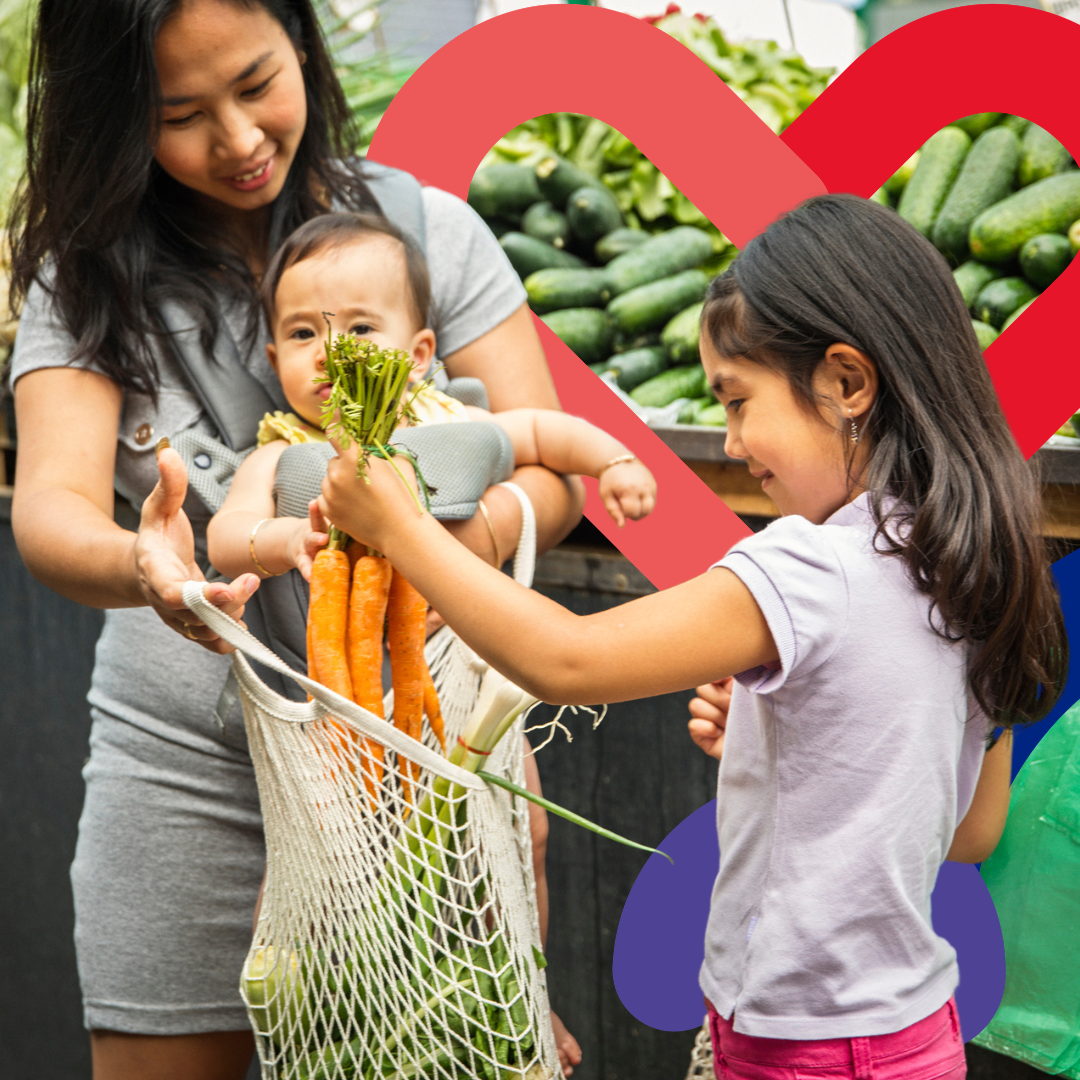
Food banks and community-based programs are great ways for families to quickly access food locally. WIC can help connect you with local community-based food pantries and banks. Food banks are nonprofit organizations that help alleviate hunger by collecting food donations that are distributed to local pantries, shelters, and humanitarian agencies. Another resource is the Emergency Food Assistance Program (TEFAP), which helps provide families with emergency food through working with local food banks. Food banks and pantries are excellent ways of supporting local communities and can be a great way to supplement nutritional program benefits.
Feeding America is a hallmark of the food bank community and is the largest anti-hunger organization in the world. The organization supports 200 food banks nationwide and is a leader in addressing food insecurity. Visit the Feeding America website to find a food bank in your area.
We know that school meals are one of the ways you help support your child’s nutrition. Schools are a great avenue to help students receive nutritious, free meals during the academic year. The National School Lunch Program and School Breakfast Program provide students with low-cost or free breakfast and lunch. Some states, like Massachusetts, might even provide universal free school meals regardless of household income. These programs help reduce food insecurity, boost student academic performance, and improve student health.
Millions of children across the country rely on their school to access food, leading to increased food insecurity during the summer. Free nutritional programs are accessible to children during the summer, such as SUN Meals (Summer Food Service Program) and SUN Bucks (Summer EBT). SUN Meals provides kids under 18 with access to free, nutritious meals at community sites, such as public parks and libraries. SUN Bucks provides school-aged children with SNAP eligibility for 120$ in groceries per month. These summer programs are critical for helping families and children address food insecurity, and can help your family receive nutritious foods during the summer months.
Federal and community-based programs are a necessity for families across the nation. WIC is proud to be one of many programs dedicated to helping you find ways to support your family’s health. Getting started with WIC is worth it, find a local clinic near you!
Maggie is a third-year undergraduate at Emmanuel College in Boston, Massachusetts. She is majoring in Criminology, Criminal Justice, and Legal Studies, with an interest in women’s health equity, communications, and public policy. Previously, Maggie was a research assistant for Emmanuel, researching LGBTQIA+ healthcare access nationwide. She is passionate about ensuring that policy reflects public health needs and addressing long-standing health disparities through advocacy and education.
Farmers’ Market Nutrition Program Social Media Toolkit. (2025). WIC Research, Policy and Practice Hub. https://thewichub.org/farmers-market-nutrition-program-social-media-toolkit/
National WIC Association. (2024, April 17). History of WIC Timeline #WIC50 [Video]. YouTube. https://www.youtube.com/watch?v=kJRZALP256o
WIC Program Overview and History. (n.d.). National WIC Association. https://www.nwica.org/overview-and-history
WIC vs. SNAP: What’s the difference? (2026). WIC Research, Policy and Practice Hub. https://thewichub.org/wic-vs-snap-whats-the-difference/
School Breakfast Program - Food Research & Action Center. (2026, March 9). Food Research & Action Center. https://frac.org/programs/school-breakfast-program
SUN Bucks (Summer EBT) | Food and Nutrition Service. (n.d.). https://www.fns.usda.gov/summer/sunbucks
National School Lunch Program (NSLP) | Feeding America. (n.d.). Feeding America. https://www.feedingamerica.org/advocate/federal-hunger-relief-programs/national-school-lunch-program
WIC empowers families and children with food, nutrition education, and community support.
Hear from a local WIC team member and a registered dietitian nutritionist at the National WIC Association about how WIC can support your family’s personal nutrition needs!
Learn More
WIC is here for you on your breastfeeding journey with the help of International Board Certified Lactation Consultants (IBCLCs) and peer support counselors! Learn more about the importance of Black Maternal Health and breastfeeding support during an upcoming Instagram Live event on Wednesday, April 15th, at 8 pm ET/5 pm PT!
Learn More