In the News
Protecting Your Baby: What You Need to Know About Food Allergies
Thinking about food allergies? Pediatric allergist Dr. Michael Pistiner shares science-backed tips on how to prevent and manage your baby’s food allergies in this Q&A.
Starting solid foods is an exciting step in your baby’s development. For the first time, they will try new flavors and explore new textures. However, as your child enters this next stage, you may find yourself wondering about food allergies.
The National WIC Association (NWA) partnered with FAMP-IT, the Food Allergy Management and Prevention Support Tool for Infants and Toddlers, and spoke with pediatric allergist and educator Dr. Michael Pistiner. In this Q&A, Dr. Pistiner shares practical information about food allergy prevention, early introduction, and what to do if a food allergy is suspected.
Q: What are food allergies?
Dr. Pistiner: A food allergy is when the immune system reacts to a food protein. The body treats the food as something bad and releases chemicals inside us that can cause symptoms.
The foods kids are most commonly allergic to are milk/dairy, eggs, peanuts, tree nuts, fish, shellfish, wheat, soy, and sesame.
Nearly 1 in 13 children has a food allergy. However, families can learn how to help lower the risk of food allergies developing. They can also learn how to recognize and manage allergic reactions if they happen, and what they can do to support their child's health day-to-day if there is an allergy.
Q: Can Food Allergies Be Prevented?
Dr. Pistiner: Research shows that introducing peanut and other food allergens to your baby early, when they are ready for solids, may help lower their risk of developing a food allergy.
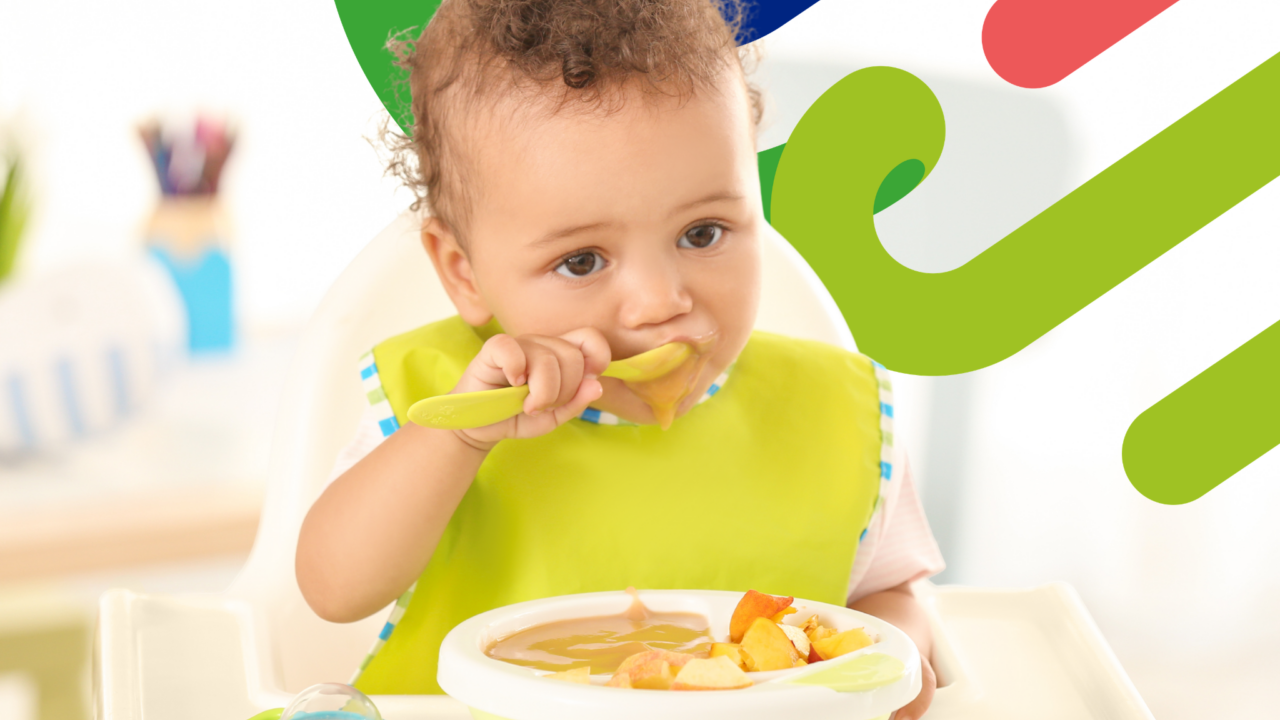
Babies are usually ready for solids around 4 to 6 months old. This is the time to begin introducing a variety of foods, including food allergens, in baby-friendly forms.
Waiting to introduce these foods may increase the risk of developing a food allergy.
Q: When Should Allergens Be Introduced to Babies?
Dr. Pistiner: Start when your baby shows signs of readiness for solid foods.
Signs of readiness for solid foods include:
Sits with minimal support
Has good head and neck control
Brings objects to the mouth
Shows interest in food and swallows instead of pushing it out
Once your baby is ready for solids, food allergens can be introduced.
Q: How should food allergens be introduced?
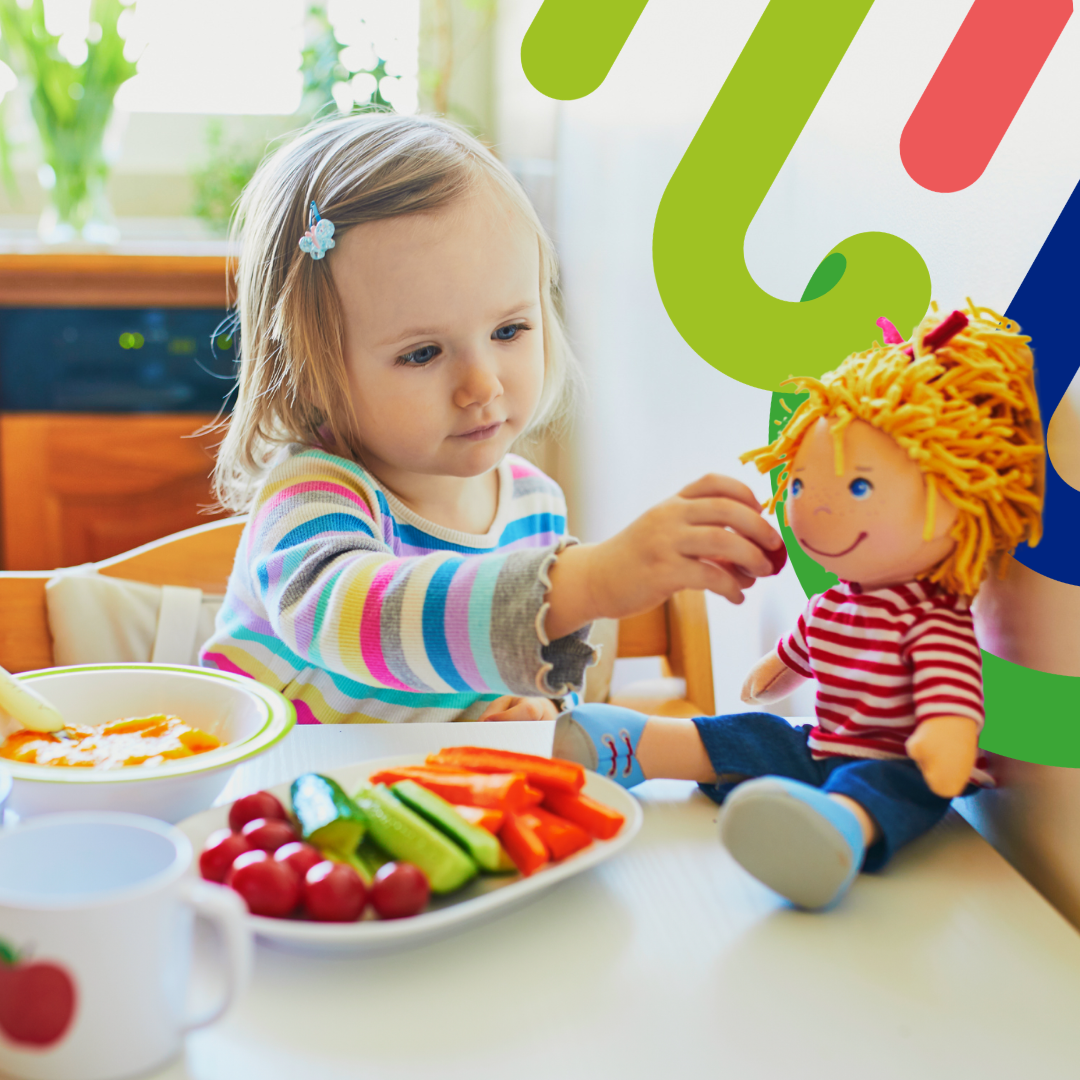
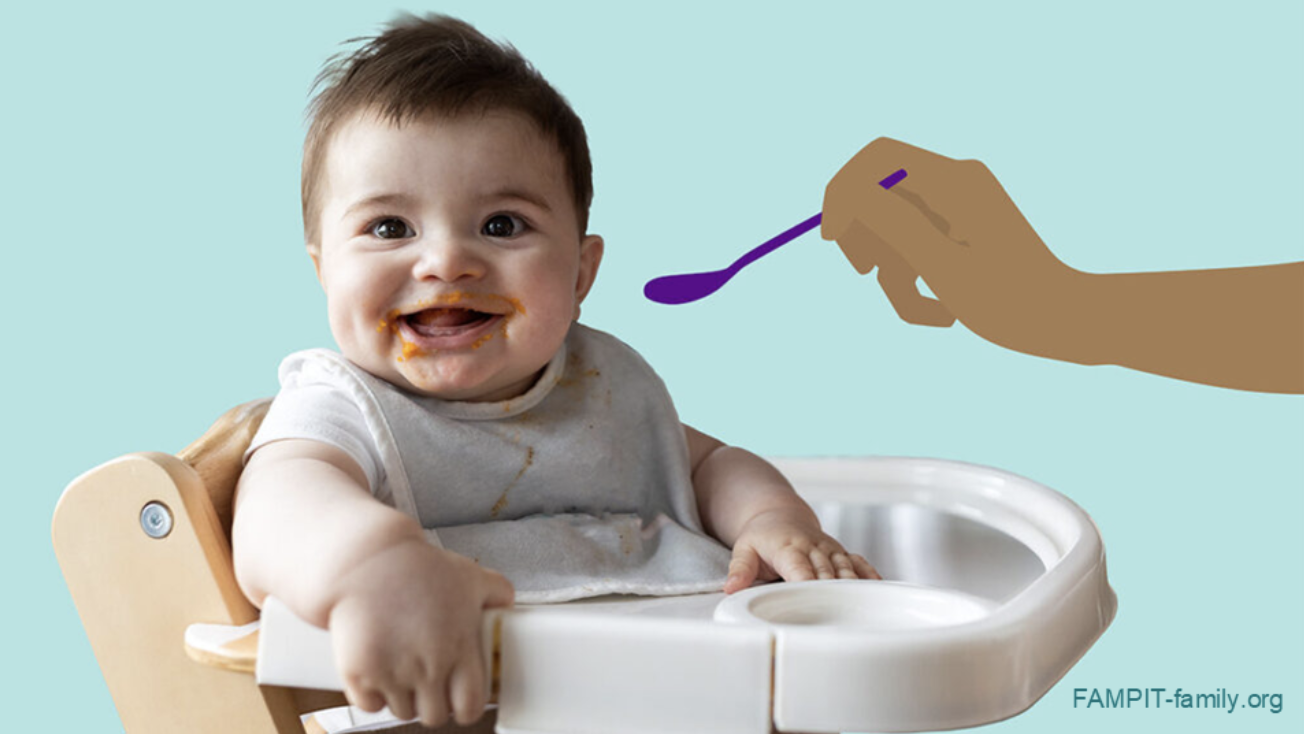
Dr. Pistiner: Offer food allergens in forms that are safe for infants.
This can include:
Peanut butter thinned with breast milk, formula, or puree
Well-cooked scrambled egg
Whole, plain cow’s milk yogurt
Soft, mashed tofu
Sesame paste mixed with puree
Do not give whole nuts or thick spoonfuls of nut butter to infants due to choking risk.
Introduce one new allergen at a time. Watch for any symptoms after offering the food. After your baby has safely and successfully tried that food, go ahead and keep offering it regularly.
Q: How often should food allergens be given?
Offering the food allergen regularly helps maintain your baby’s ability to eat it without problem. “Regularly” does not need to mean anything complicated. It can just be a part of normal meals a few times per week.
Q: What are common symptoms of a food allergy?
Dr. Pistiner: Most reactions happen soon after eating the food. Some families may be nervous when thinking about allergic reactions, but most reactions in babies are mild.
Mild symptoms may include:
Hives
Redness around the mouth or skin
Mild swelling
Vomiting once
More severe symptoms may include:
Trouble breathing
Swelling of the lips or tongue
Repeated vomiting
Looking pale or floppy/limp
Severe symptoms are rare, but when they do happen, they need emergency care.
Q: What Role Does The Skin Play?
Dr. Pistiner: Skin health matters, especially for babies with eczema.
When the skin is dry, cracked, or inflamed, food allergens may enter through the skin. If this happens on a regular basis, it may increase their chances of developing a food allergy.
Studies show that while eating an allergen early can protect your baby from that food allergy, having that same food touch their skin often can actually raise the risk of an allergy.
Here are some things you can do to help protect your baby's skin:
Keep skin moisturized daily.
Treat eczema early with your healthcare team.
Wash your hands after touching food allergens (after eating or food prep, for example) and before handling your baby’s skin, like during diaper changes or when putting on lotions or creams.
Q: Are There Treatments for Food Allergies?
Dr. Pistiner: There is no cure for food allergies, but there are treatments that can help some families. These include:
Epinephrine to treat serious allergic reactions,
Oral immunotherapy (OIT) for certain allergens in some patients, and
Biologic medications that may reduce the risk of severe allergic reactions.
Treatment plans are unique to each person and should be made with an allergist.
Q: What is the key message for families?
Dr. Pistiner: Start solid foods when your baby is ready. Offer a variety of foods, including allergenic foods, in baby-friendly forms. Keep foods in the diet once they are tolerated. Work with your healthcare team if concerns come up.
You Have Support!
WIC and Dr. Pistiner both want to remind you: Your child's healthcare provider team is there to help you with issues just like this. Don’t hesitate to reach out with any questions or concerns about food allergies.
You can get support from WIC, whether during pregnancy, breastfeeding, early infancy, toddlerhood, or beyond. WIC gives you access to dietitians, nutrition education, and customized food benefits for those with allergies. WIC can help caregivers shop for children with food allergies with confidence.
WIC staff can also help you stay connected with your other healthcare team members. They can guide you on what questions to ask at your next appointment or, in some cases, update medical providers directly.
Whitney is a Senior Communications Manager at the National WIC Association (NWA). She has a degree in Journalism & Mass Communications with minors in English, Political Science, and Sociology from the University of Nebraska-Lincoln. Whitney has more than 10 years of expertise in social media, marketing, and storytelling, and she worked as a journalist at the Chicago Tribune and Lansing State Journal before moving to Washington, D.C. She has been with NWA since April 2020. Whitney is passionate about global public health and the important role communities play in the health and well-being of families.
Michael Pistiner, MD, MMSc
Dr. Pistiner is a board-certified allergist and pediatrician specializing in food allergy prevention, management, and education. As Director of Food Allergy Advocacy, Education, and Prevention at Mass General for Children, he works closely with healthcare providers, public health programs, and community organizations to advance evidence-based approaches to early allergen introduction and allergy safety. Dr. Pistiner is a nationally recognized educator dedicated to improving the prevention and management of food allergies and anaphylaxis in infants.